Train of Thought
An independent research project studying railways and supply chains in complex corners of the world.
Train of Thought is a research partner for The International Railway Journal (IRJ).
This site showcases our research. We share our analysis, expertise and custom datasets that present the geopolitics of complex freight transport developments and supply chain issues in an accessible and actionable way, for fellow researchers and decision-makers across government and industry.
Our research contributes to supporting the UN’s SDG goals (7, 9, 12 and 13) in developing economies in ensuring inclusive, accessible and sustainable transport infrastructure.
Our research has been published in the Royal United Services Institute (RUSI), the BBC, the International Railway Journal (IRJ), and The Diplomat.
In the Media


Meet the Team
-

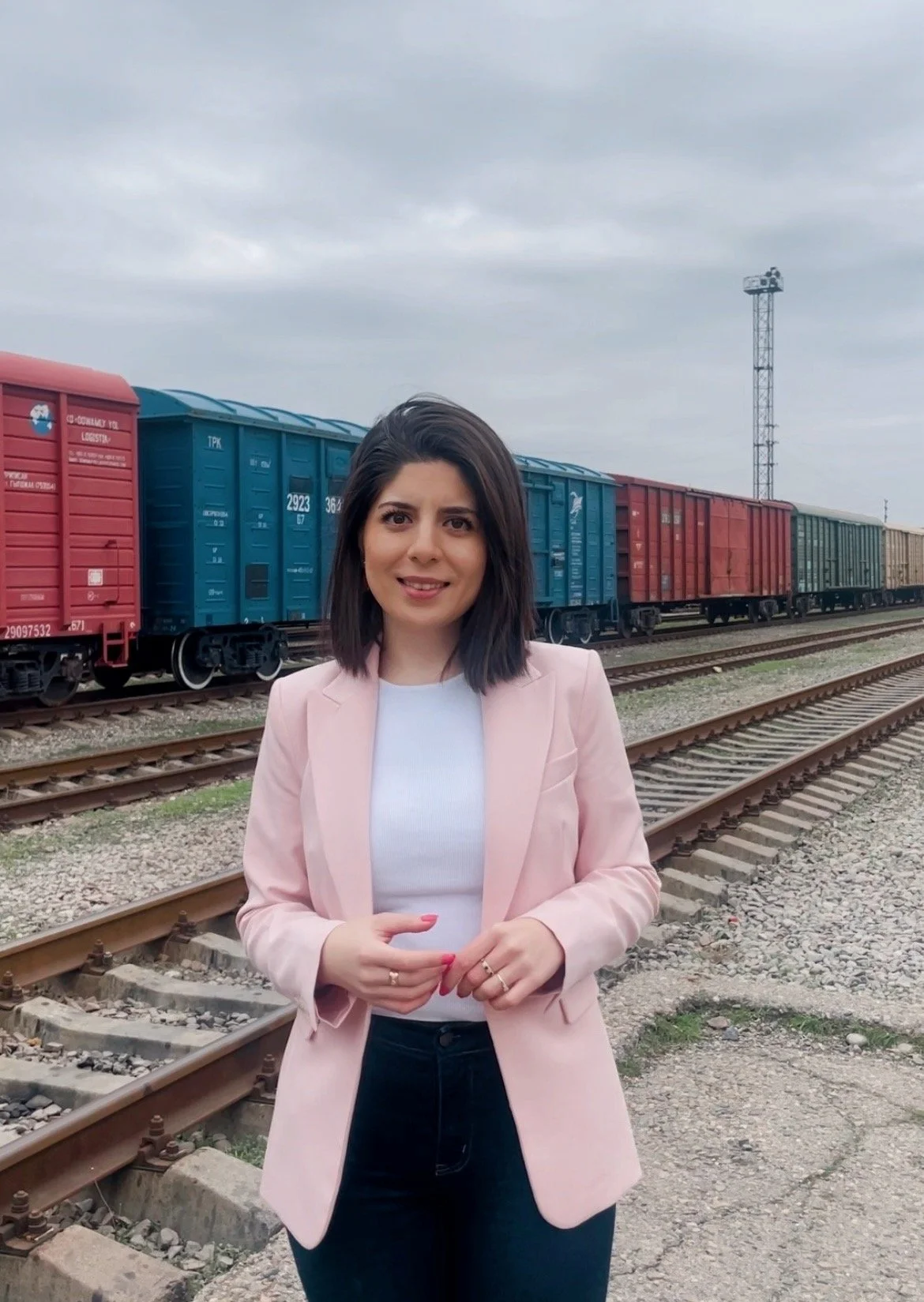
Sophia Nina B-A
FOUNDER & DIRECTOR
Sophia is a strategy consultant and geopolitical risk advisor on Eurasia and MENA to the US & European transport infrastructure sector. She specialises in bridging the gap between geopolitical advisory, supply chain risk, and business strategy, and has served in both consulting and in-house roles.
Outside of this, Sophia works as a features journalist for the International Railway Journal, and has published over 36 articles analysing Russian, Chinese and Western transport projects in Central Asia and the Middle East.
And, because one project is never enough, Sophia also founded Train of Thought in 2024, born out of her personal mission to analyse all the freight railway projects in Central Asia, India and the Middle East. Her project has been featured in the BBC and published in the Royal United Services Institute think tank. She has extensive international experience, having lived and worked for over a decade in Uzbekistan, Kazakhstan, Afghanistan and Tajikistan. She is a native English speaker but also knows Russian, Uzbeki, and Dari.
-

Mads Schmidt
SECURITY EXPERT
Mads Schmidt is a security and risk-management practitioner with experience in fragile and high-risk environments.
His background includes operational roles with Danish and Norwegian diplomatic missions in Afghanistan and subsequent work in security consulting for international clients.
He currently serves as Physical Security Lead at Novo Nordisk in Denmark, where he is responsible for national security governance, incident preparedness, and the development of standardised security frameworks across multiple sites.Mads professional interests include critical-infrastructure protection, resilience, and the interaction between security conditions and business objectives.
-

Charles McCloy
COLD LOGISTICS SUPPLY CHAIN EXPERT
Charles is a Russian & Arabic speaker with specialism in cold logistics and food business across international markets.
He currently works as an asset manager at Google, heading up their emerging markets division. He previously worked as a director at CBRE for over 6 years, where he provided strategic real estate advice to clients across the globe in the cold logistics and food sectors.
He has a particular professional interest in the economic potential of Central Asia and advises clients on how to navigate the region.
Charles is experienced in consulting on the valuation, financing, development, and M&A of food facilities on behalf of leading investors, operators, and lenders in the sector, having provided over €7 bn in advice.
Our research
-
![]()
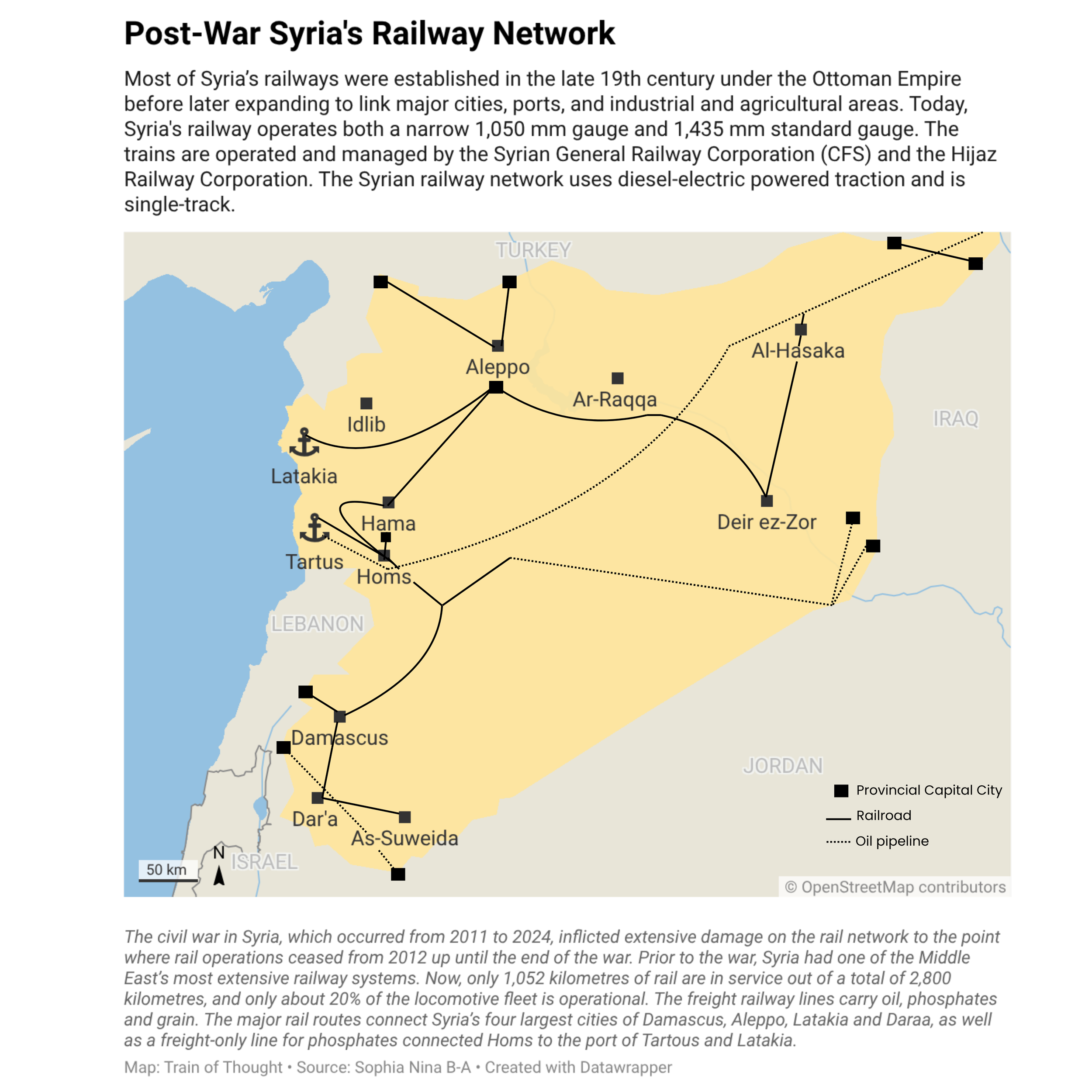
Challenges and Opportunities for Post-War Syria’s Railway Sector
11/06/2026
By Sophia Nina B-A
I created a map of Syria’s railway network, as there are no recent maps available, and evaluated the challenges and opportunities for Post-War Syria’s Railway sector.
-
![]()
On the Right Track: Opportunities Emerging Across Uzbekistan’s Industrial & Logistics Market
05/06/2026
By Charles McCloy
Our Central Asia real estate and logistics expert Charles McCloy explores how Uzbekistan’s logistics sector pressure tests the market entry of international and local firms active in the sector, and evaluates the potential opportunities and challenges.
-
![]()
Country Comparison of Poland and Uzbekistan’s Cold Storage Sector
01/06/2026
By Charles McCloy
A closer look at the Uzbek cold storage sector and how it compares with Poland. Charles addresses the challenges and assesses potential solutions for the Uzbek cold storage sector as it seeks to modernise and meet the food demands of a growing population.
-
![]()
Published in the IRJ: Delivering Railway Projects in High Risk Markets, Syria and Libya
24/05/2026
By Sophia Nina B-A
In my latest article for the International Railway Journal, I consider how investors can manage the risks facing railway projects where the local political climate is unstable. Syria and Libya are prime current examples.
-
![]()
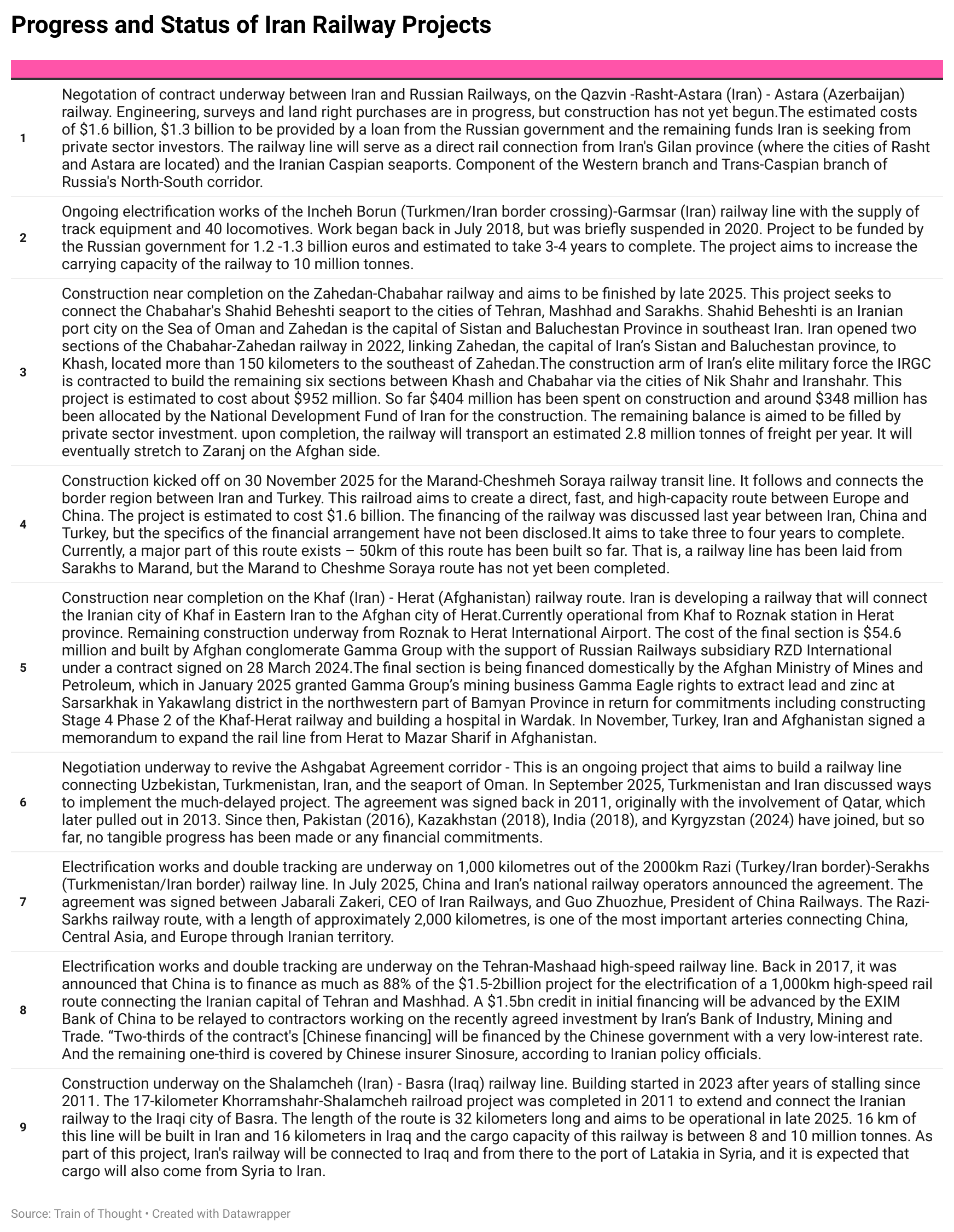
Summary of progress and status of Iran’s Freight Railway projects
28/01/2026
By Sophia Nina B-A
I have created a table summarising all the ongoing and planned major railway connections in Iran. I have detailed the status in the table also. Just a way for me to stay on top of projects and analyse developments! Definitely a trickier research task, but interesting nevertheless.
-
![]()
Published in the IRJ: A deep dive into the current and future state of the Iranian railway network
27/01/2026
By Sophia Nina B-A
While I have more questions than answers at this point, I have done my best to summarise my months of research into a two-page column for the International Railway Journal’s January 2026 magazine. As always, I enjoyed the process despite its pains, and I look forward to keeping an eye on how things develop.
-
![]()
The Cold Chain in Uzbekistan
19/01/2026
By Charles McCloy
In the second article of our series about food security in Central Asia, we will take a closer look at the cold storage sector in Uzbekistan. The question is no longer whether geopolitics will affect supply chains, but whether value chains are built to endure it.
-
![]()
Feeding a Growing Population: Logistics Challenges Facing Food Security in Central Asia
25/11/2025
By Charles McCloy
With the recently signed ‘Central Asia Food Security Plan through 2030’ by the Central Asian agriculture ministers on 11 November in Uzbekistan, Charles has crunched the data and has put together his first in a series of articles exploring the cold supply chain in Central Asia, and how it affects food security in the region.
-
![]()
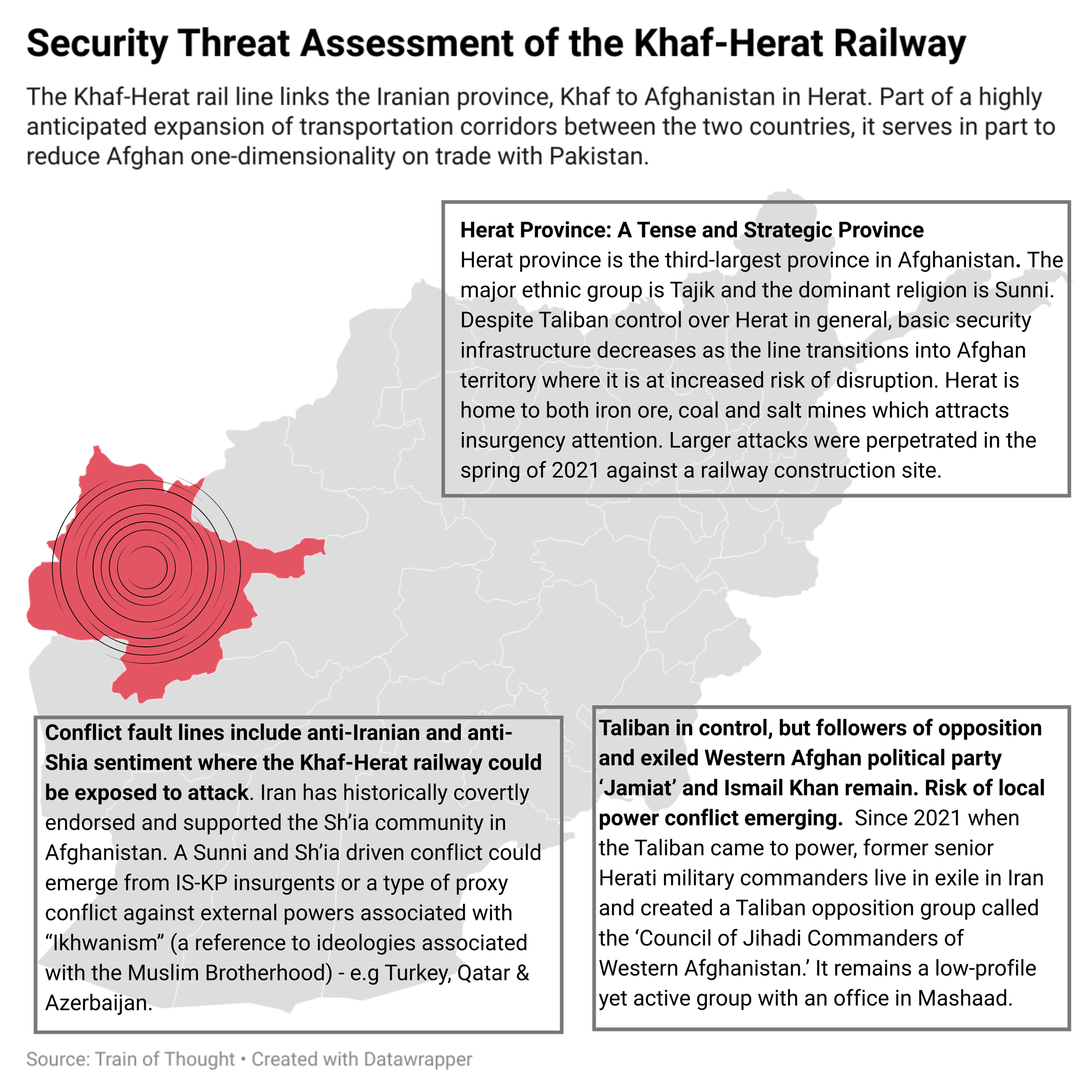
The Khaf-Herat Railway: Security Threat Assessment Map
21/11/2025
By Mads Schmidt
A high-level overview of the security risks along the semi-built Khaf-Herat railway route. We have provided a snap summary of the security context of Herat province in Afghanistan currently. Despite the Taliban being in control, Herat is the third largest province in Afghanistan and holds strategic significance to both Afghanistan as well as its neighbour Iran. This also exposes it to potential threats, as illustrated in the map.
-
![]()
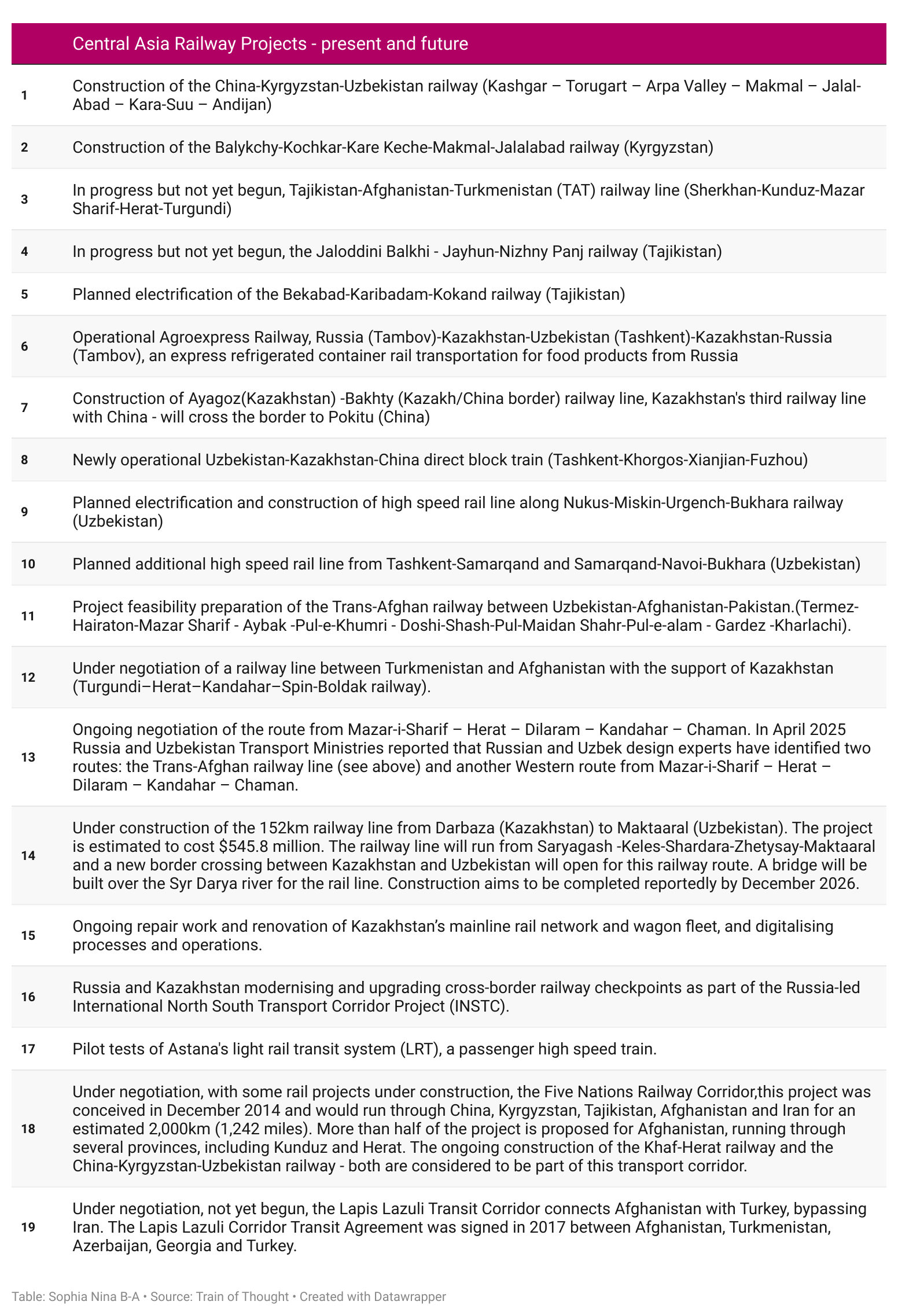
Updated Table on Central Asia Railway Projects - Current and Future
17/11/2025
By Sophia Nina B-A
I have just updated and simplified the previous table I published here on Central Asia railway projects. I felt a refresh was necessary! Hope this is clearer and easier to follow.
-
![]()
Russia begins first diesel export to Afghanistan via Iran railway
06/11/2025
By Sophia Nina B-A
Yesterday, Russia reportedly started exporting 5000 tonnes of diesel fuel by railway for the first time to Afghanistan via Iran. The diesel fuel will be shipped from Russia to the Iranian Caspian seaport of Amirabad, from there the fuel is carried by rail to Mashhad then to Afghanistan via the semi-finished Khaf-Herat railway.
-
![]()
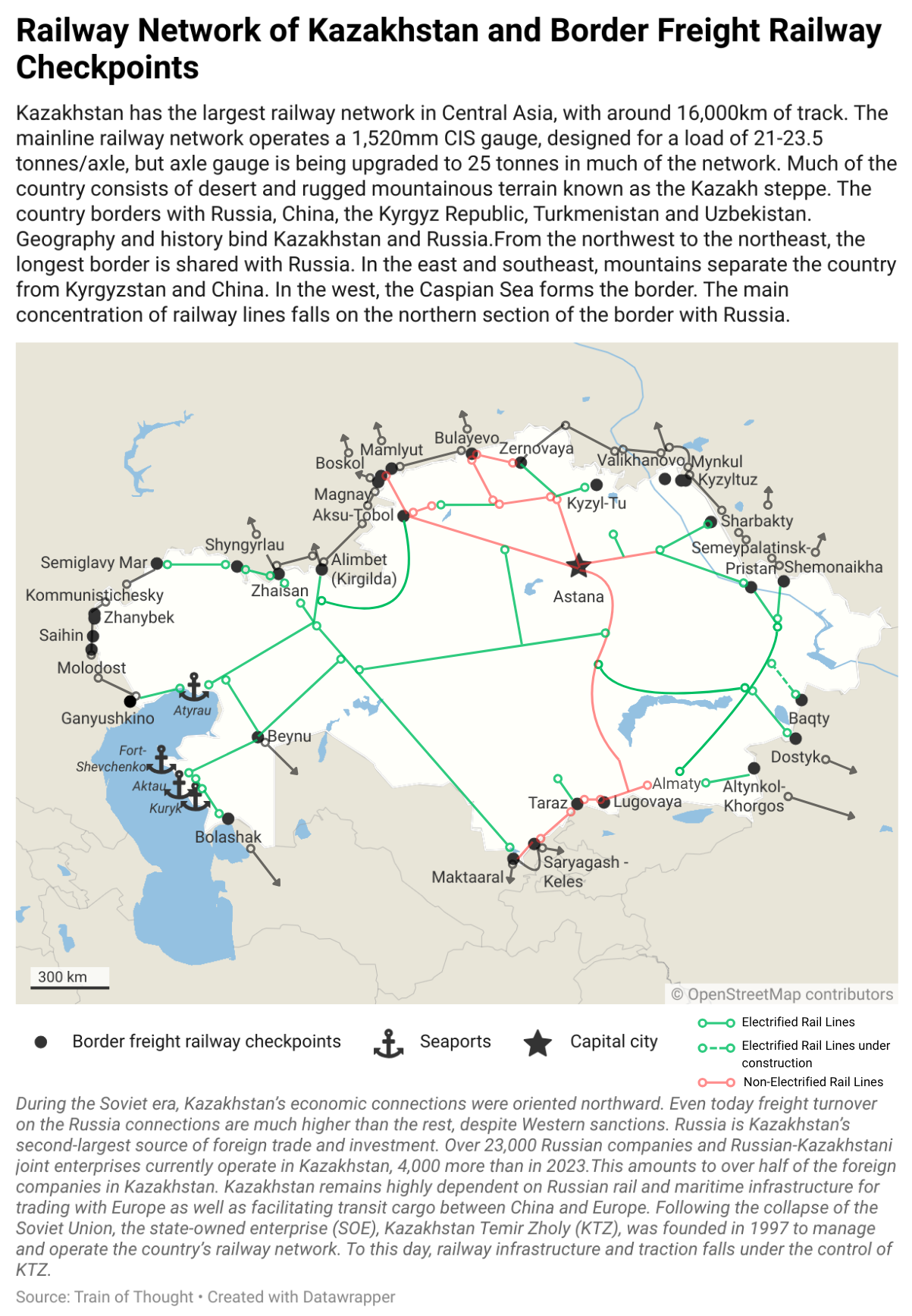
Railway Network of Kazakhstan and Freight border crossings
17/10/2025
By Sophia Nina B-A
In my latest research, I carried out an extensive examination of Kazakhstan’s railway lines and border crossings for freight movement.
-
![]()
Overview of Tajikistan’s Railway Network
29/10/2025
By Sophia Nina B-A
I dive into the Tajik railway network and share my notes on the background of key rail projects.
-
![]()
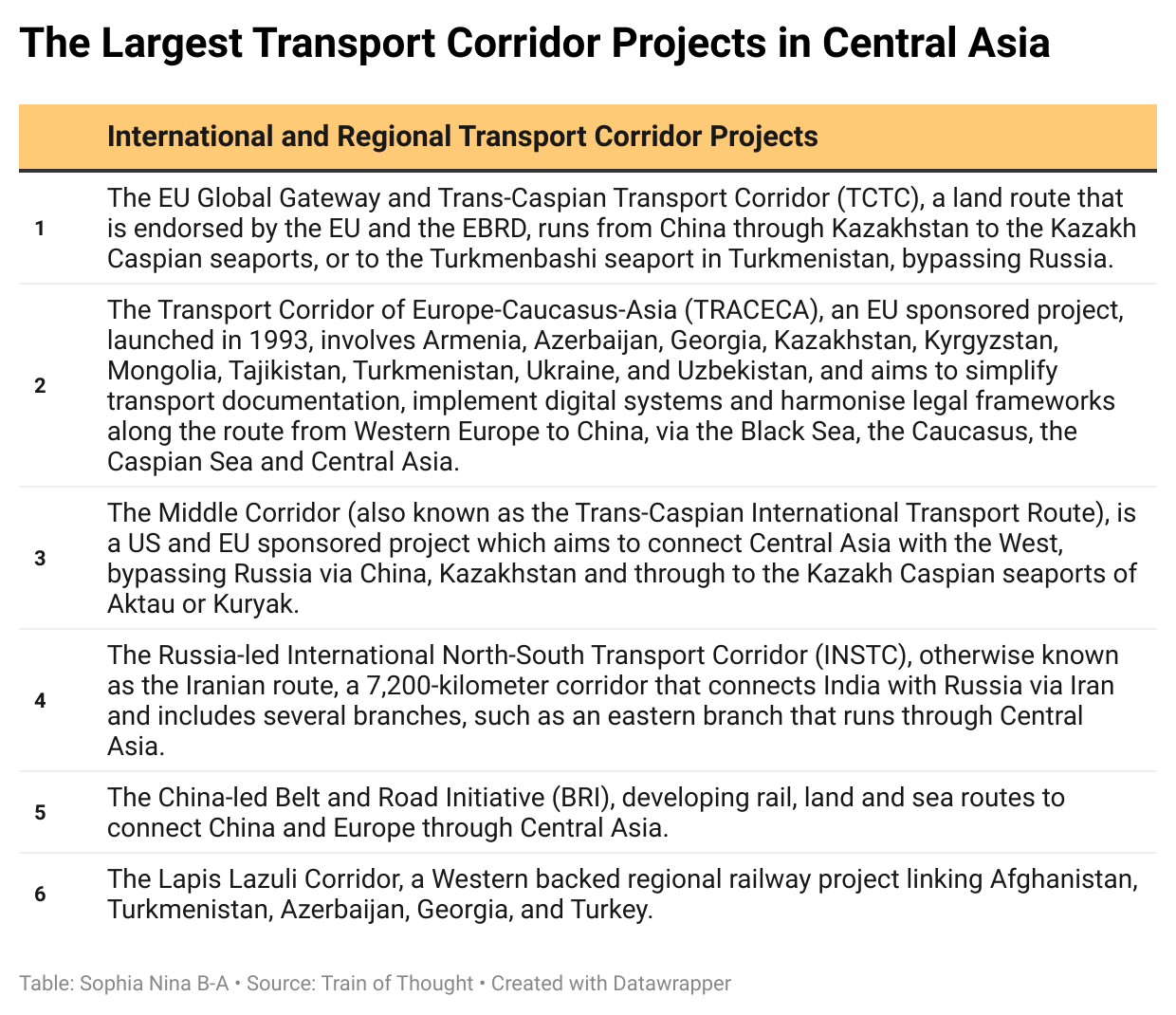
Railways of Central Asia - present and future
29/09/2025
By Sophia Nina B-A
A detailed summary of all railway projects-present and planned- going on in Central Asia, as well as the broader transport corridor projects they form a part of.
-
![]()
The Trans-Afghan Railway: Updates So Far
29/09/2025
By Sophia Nina B-A
In my recent article for RUSI I highlight the ambiguous role of Russian Railways in the Trans-Afghan railway project feasibility studies
-
![]()
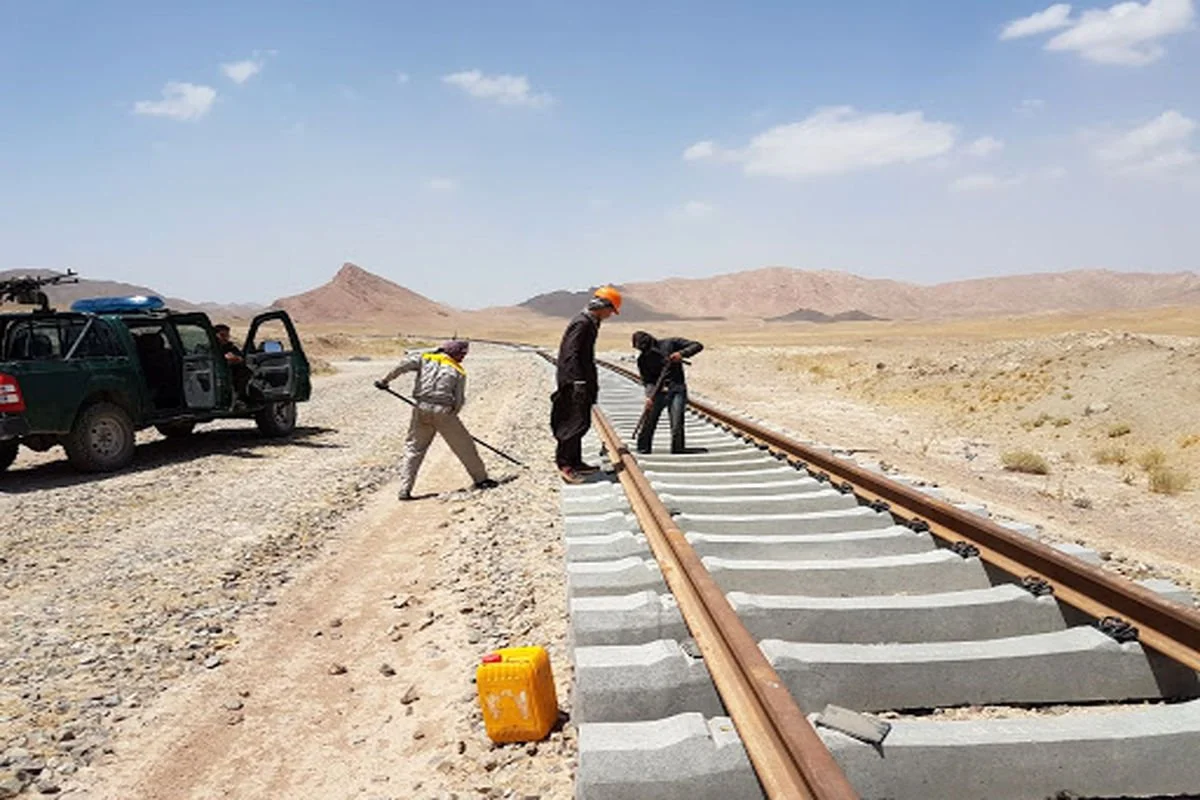
The Khaf-Herat Railway: Summary Of Latest Developments
22/09/2025
By Sophia Nina B-A
Construction begins on the final section, Iranian delegation inspects progress, and further joint iron ore mining activities discussed.
-
![]()
The Khaf-Herat Railway: possible iron ore-for-railway deal and new border crossing
30/08/2025
By Sophia Nina B-A
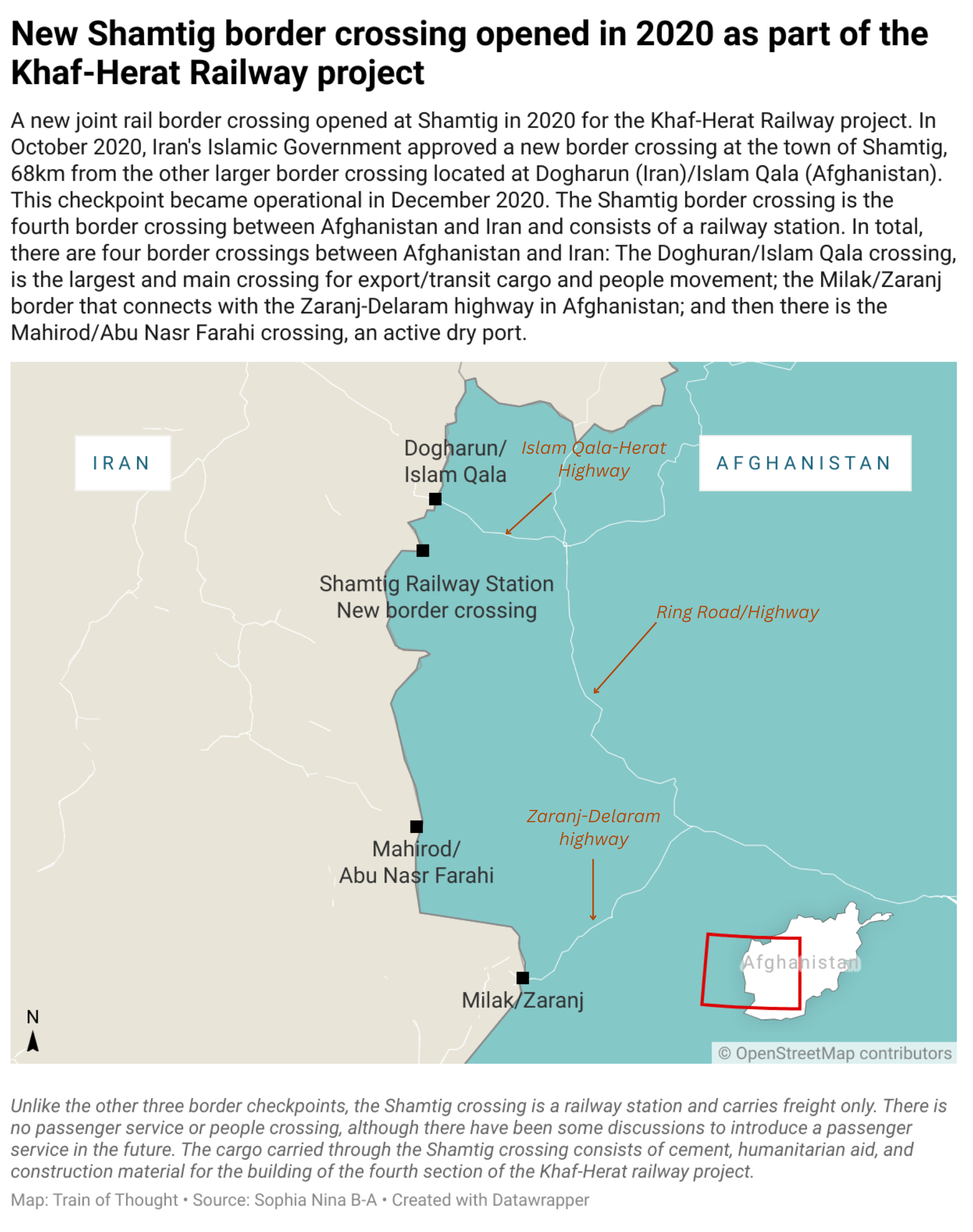
A closer look at the new Shamtig railway border crossing between Iran and Afghanistan, built for the Khaf-Herat railway project; and a possible iron ore in exchange for railway deal between Afghanistan and Iran.
-
![]()
The Khaf-Herat Railway Route
08/08/2025
By Sophia Nina B-A
Route map and breakdown of construction of the Khaf-Herat Railway project between Iran and Afghanistan
-
![]()
The Trans-Afghan Railway: Security Threat Assessment Map
08/08/2025
By Mads Schmidt
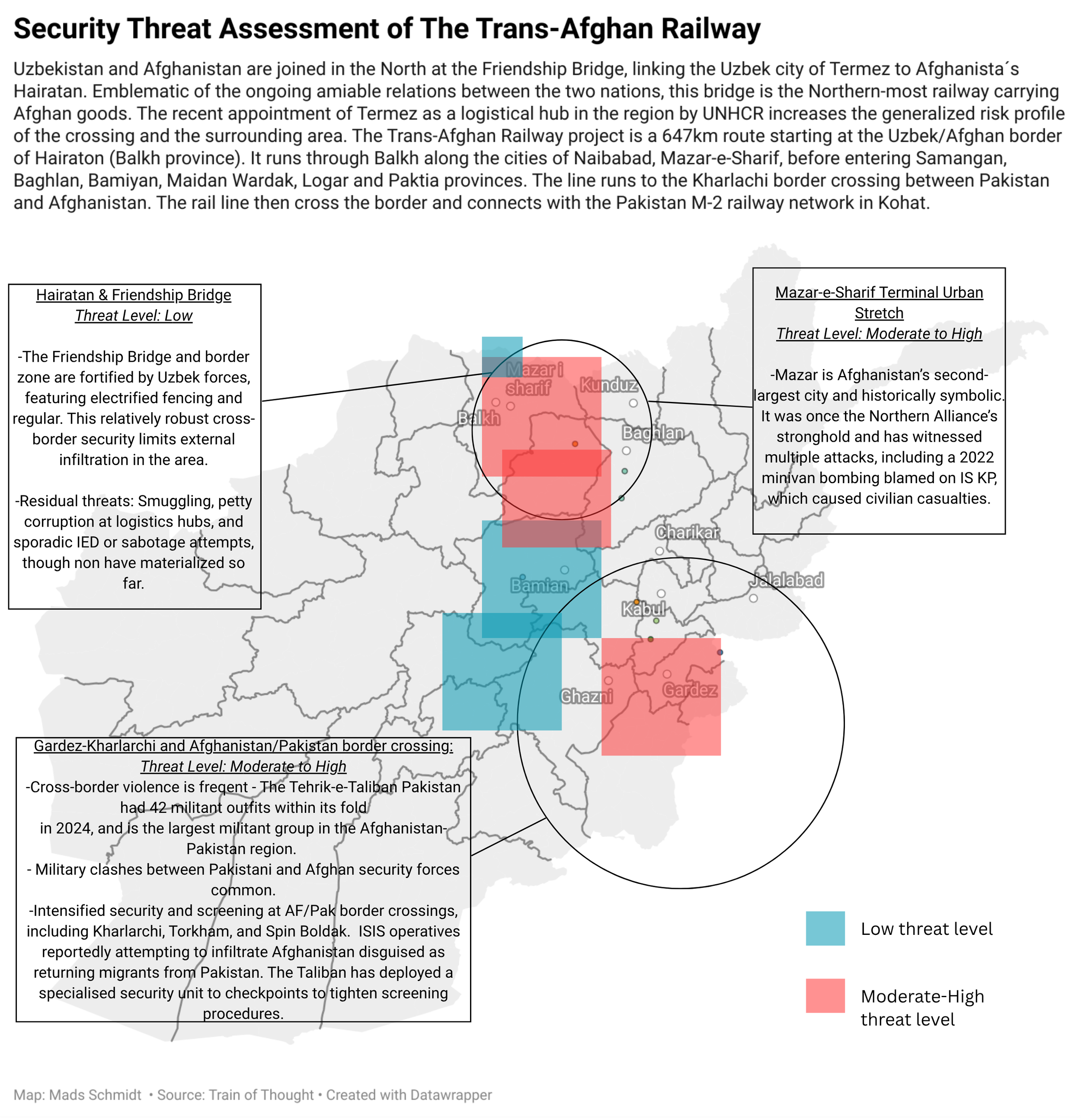
Security threat assessment map of the Trans-Afghan Railway
-
![]()
The Trans-Afghan Railway Route
31/07/2025
By Sophia Nina B-A
A detailed background and assessment of the Trans-Afghan railway project.

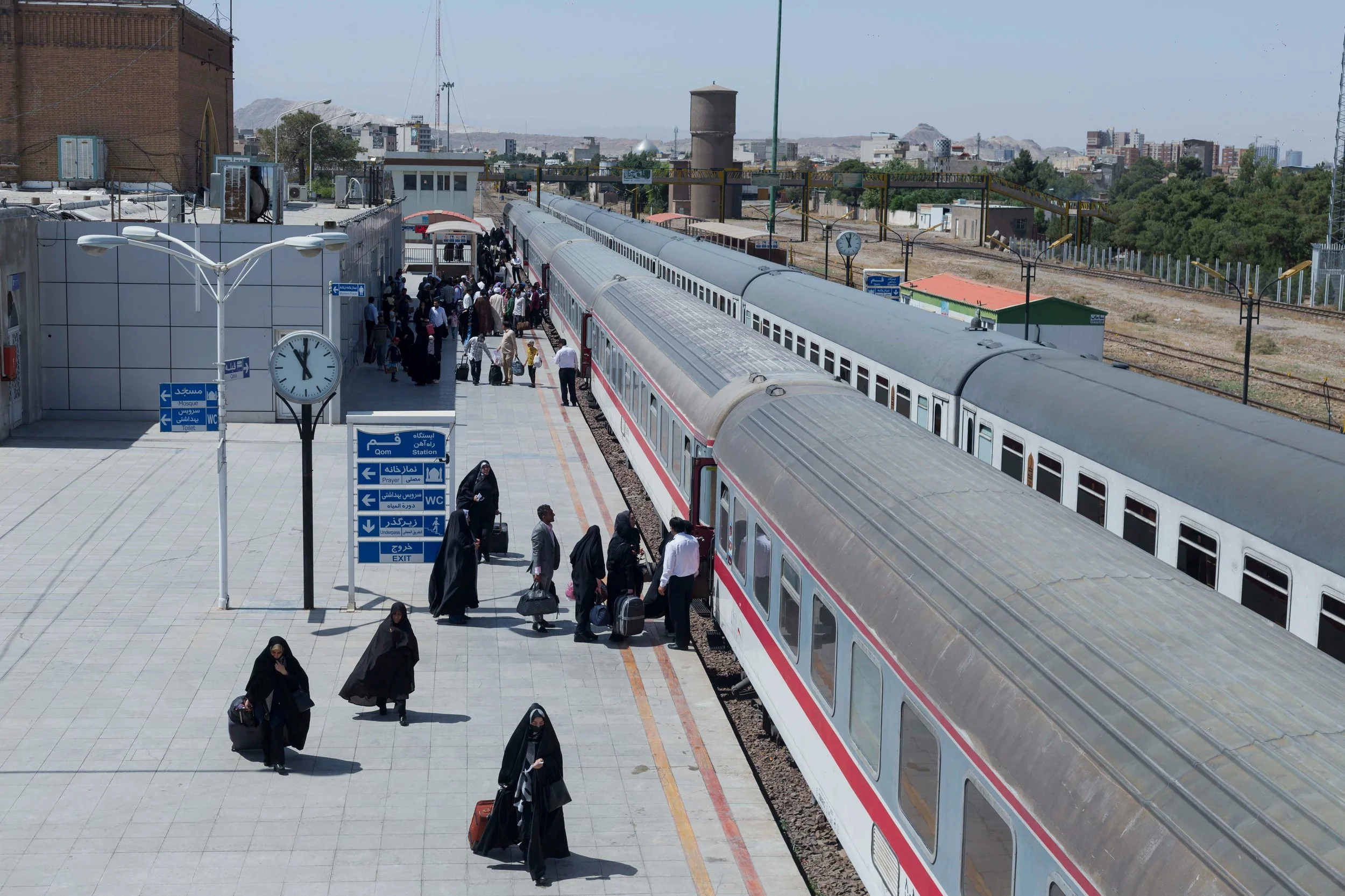
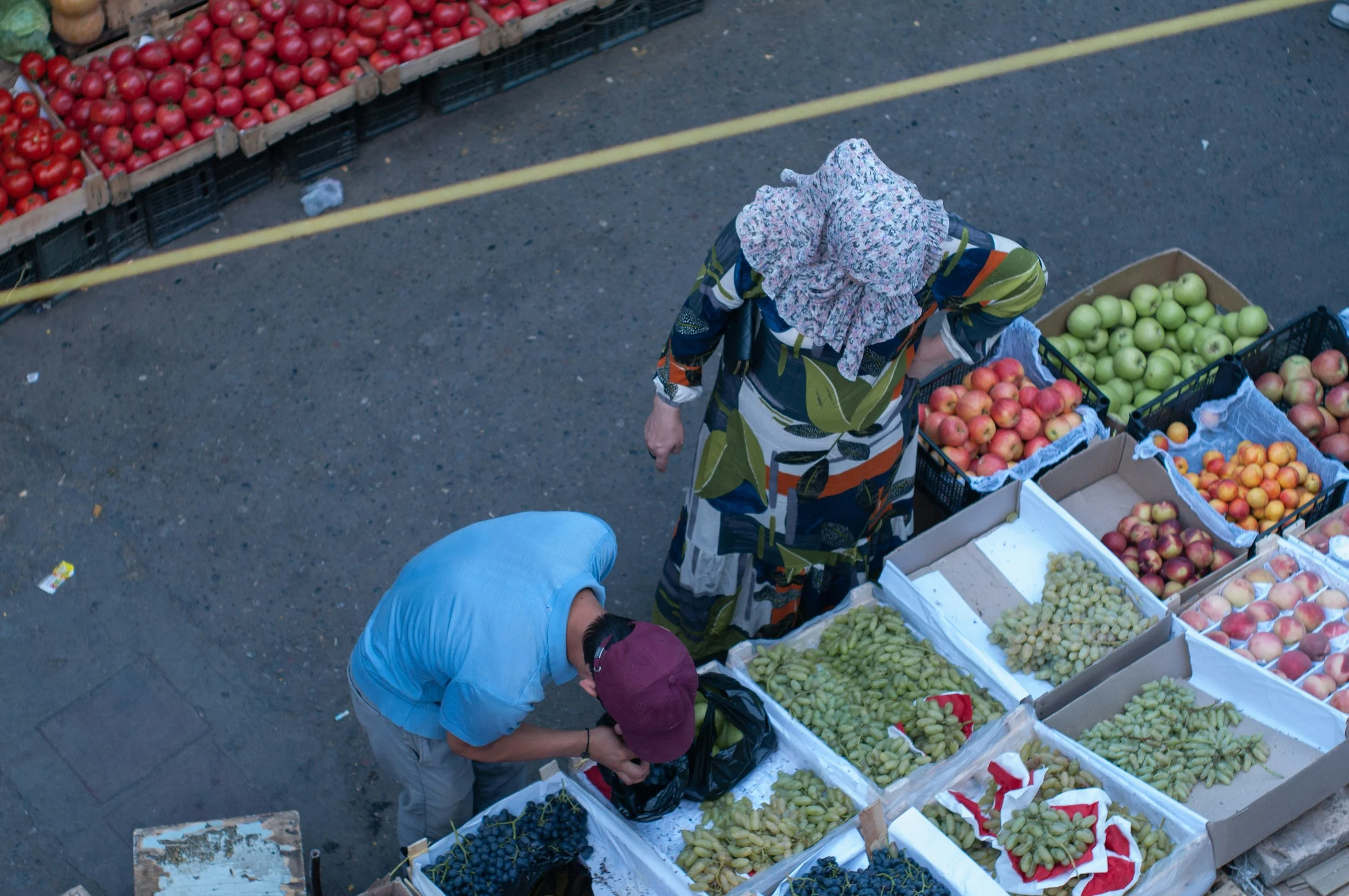
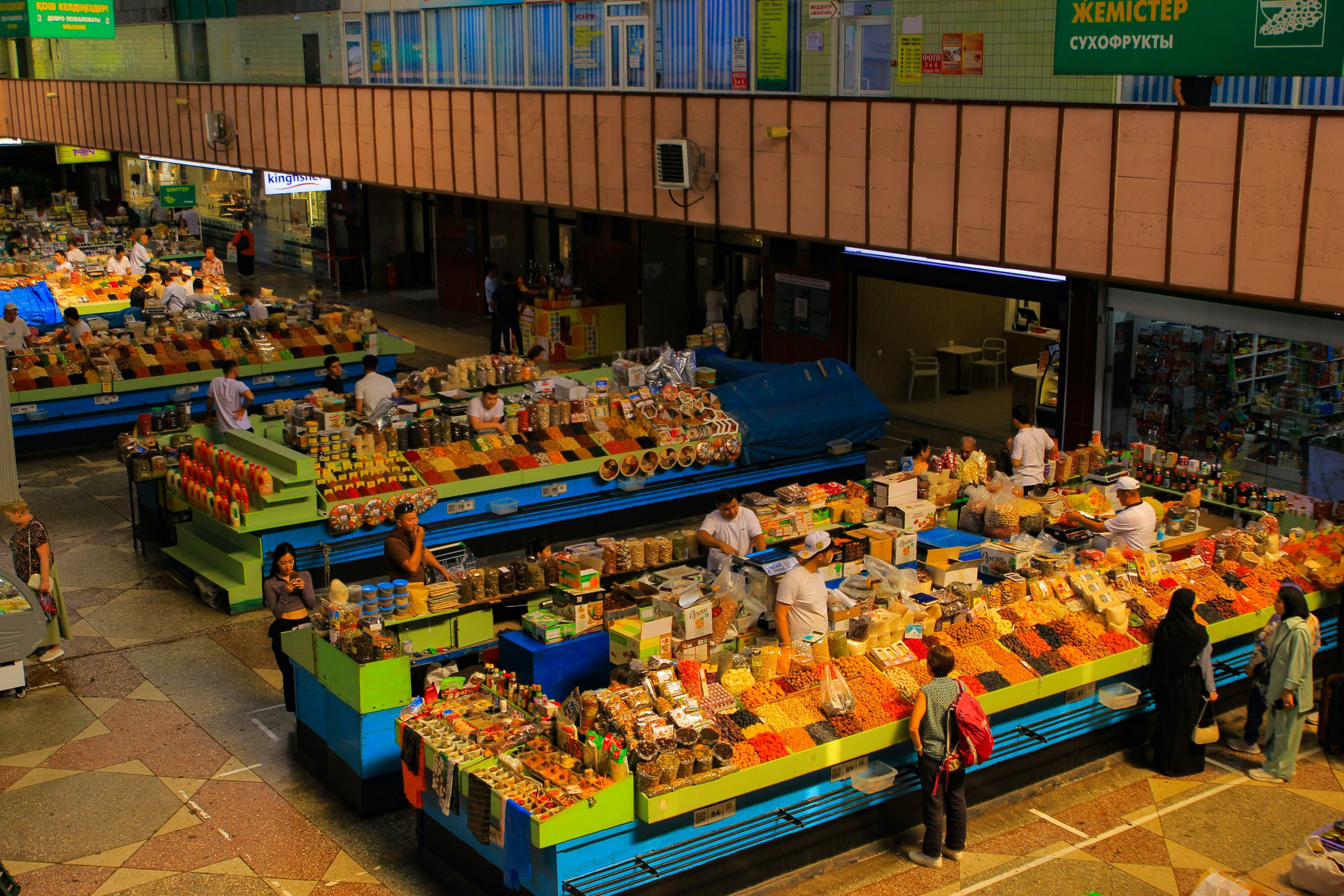
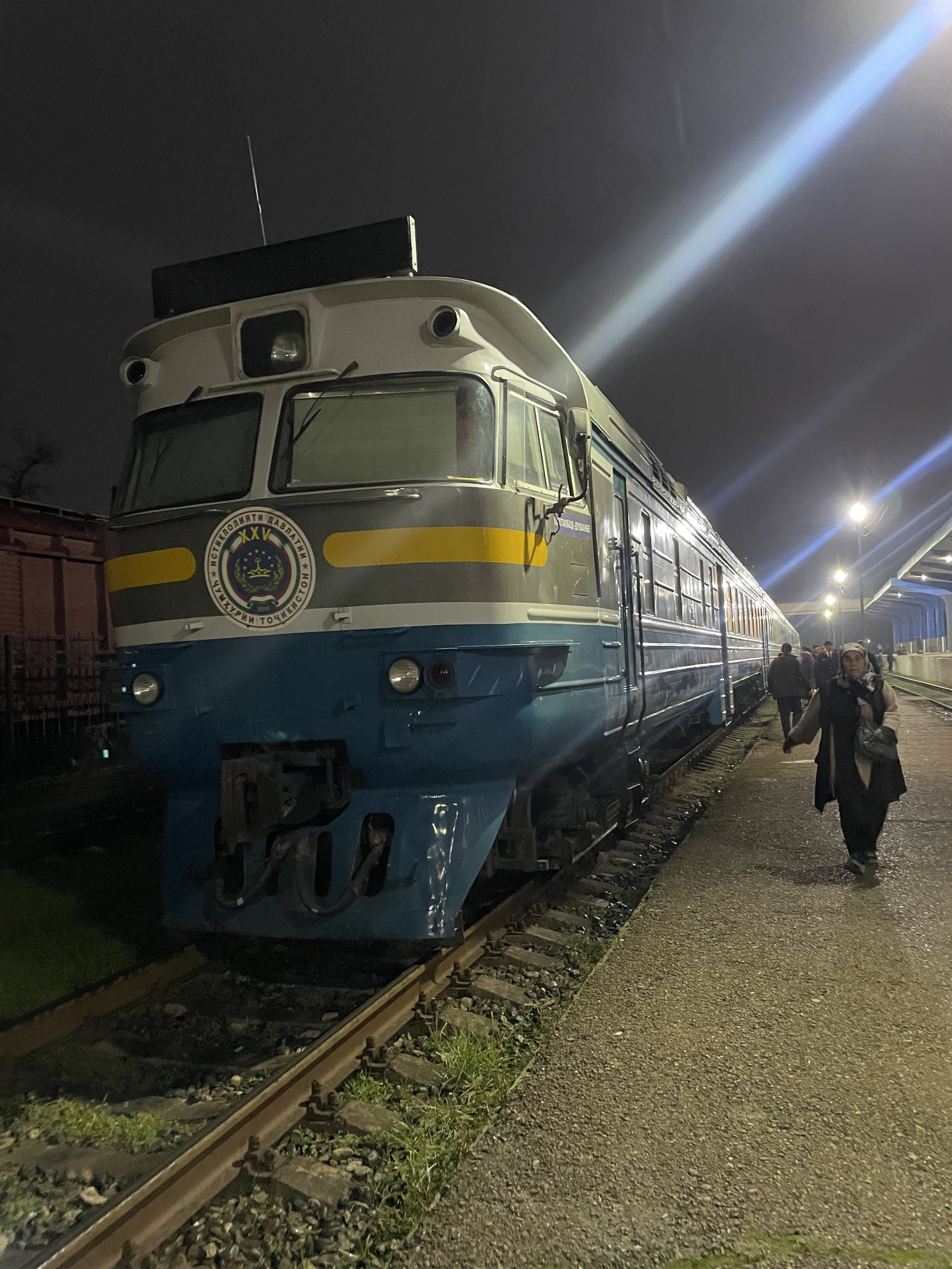
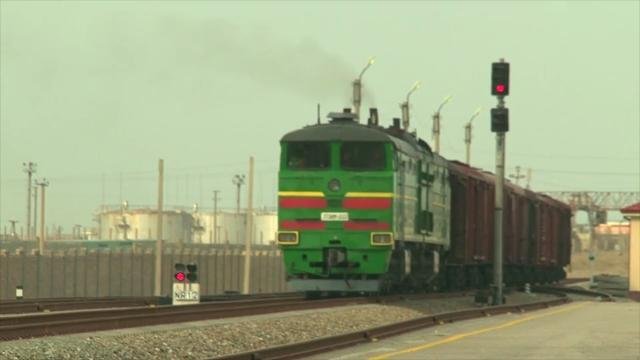


Our vision and why it matters
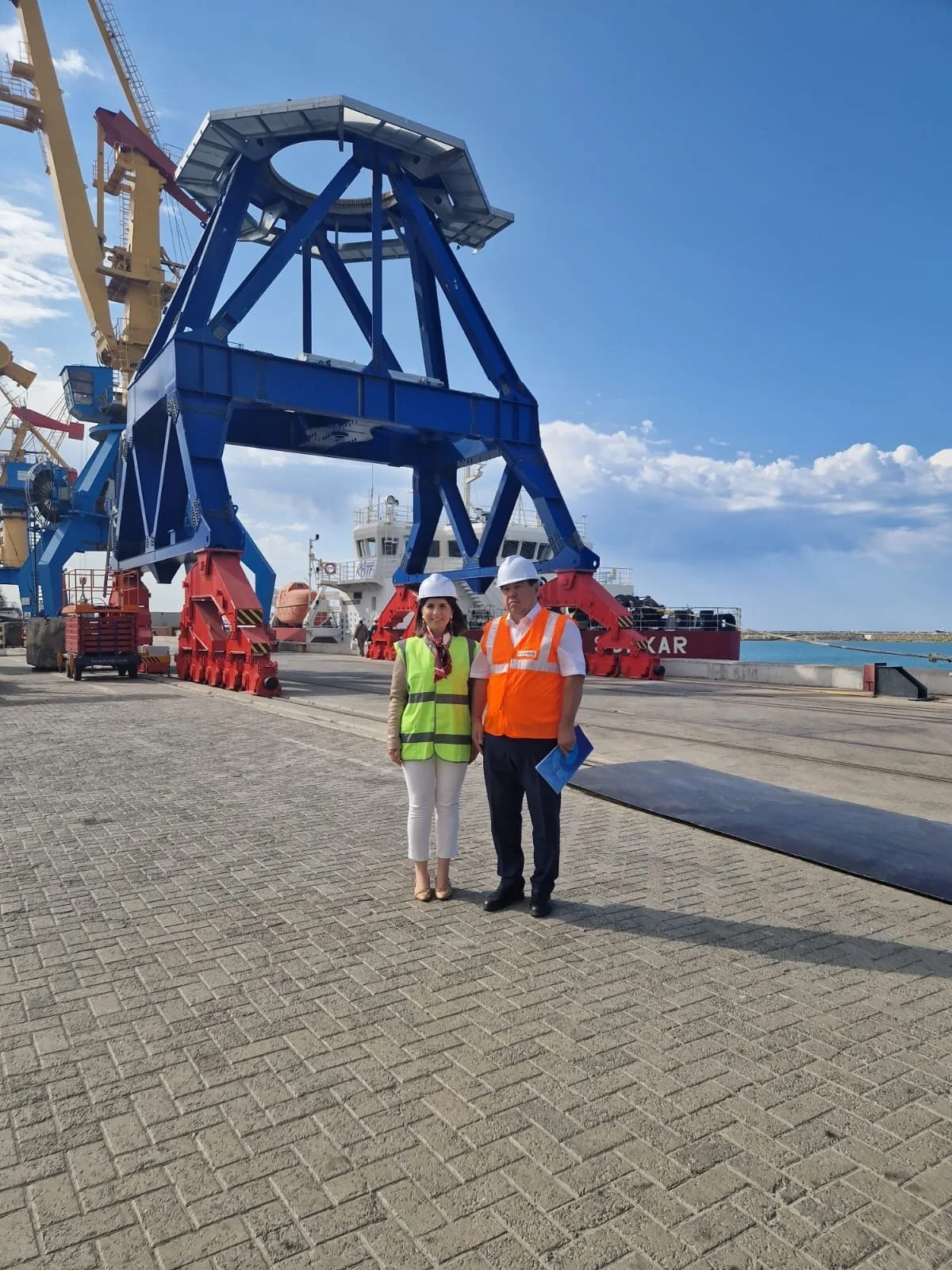
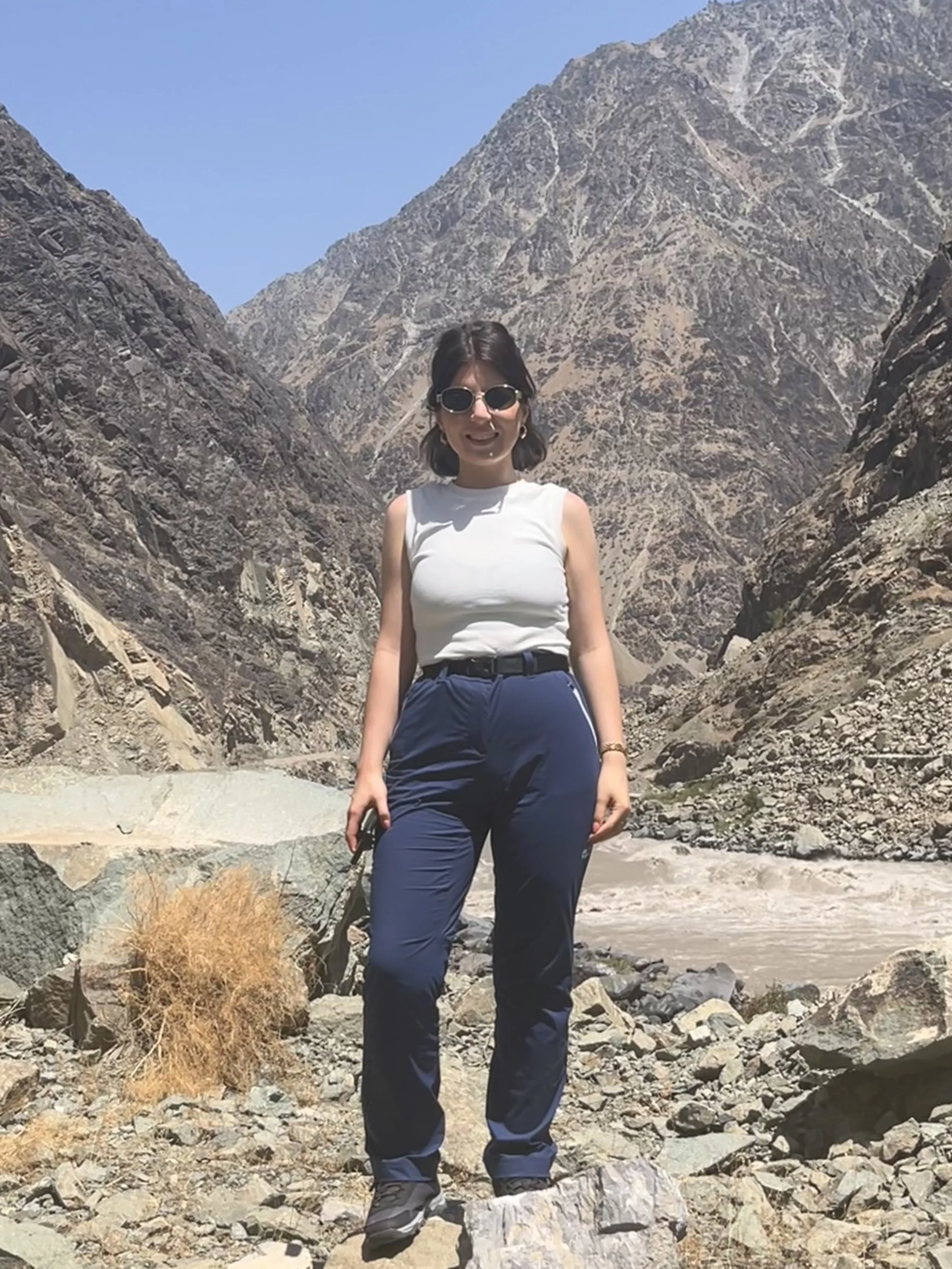
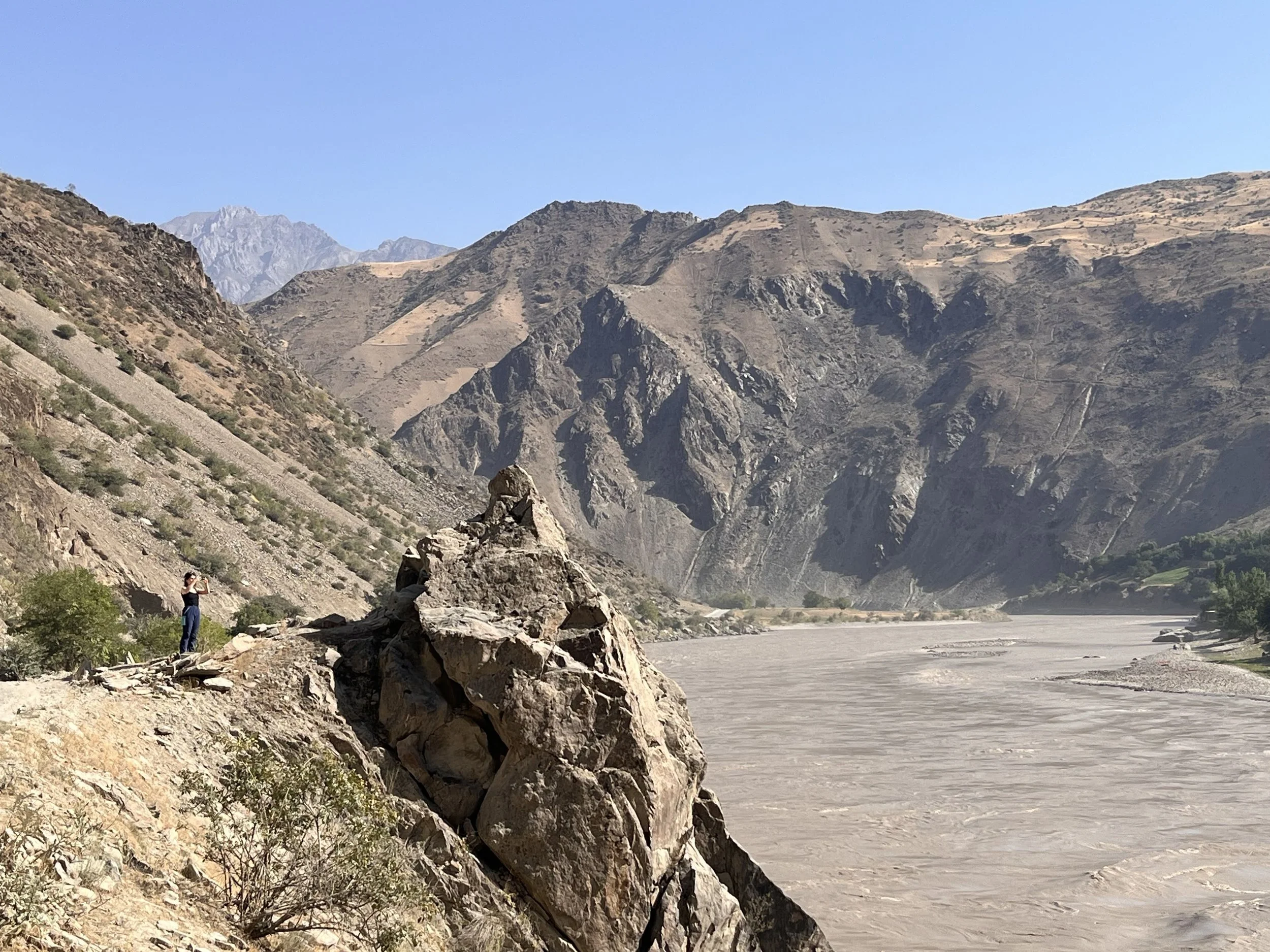
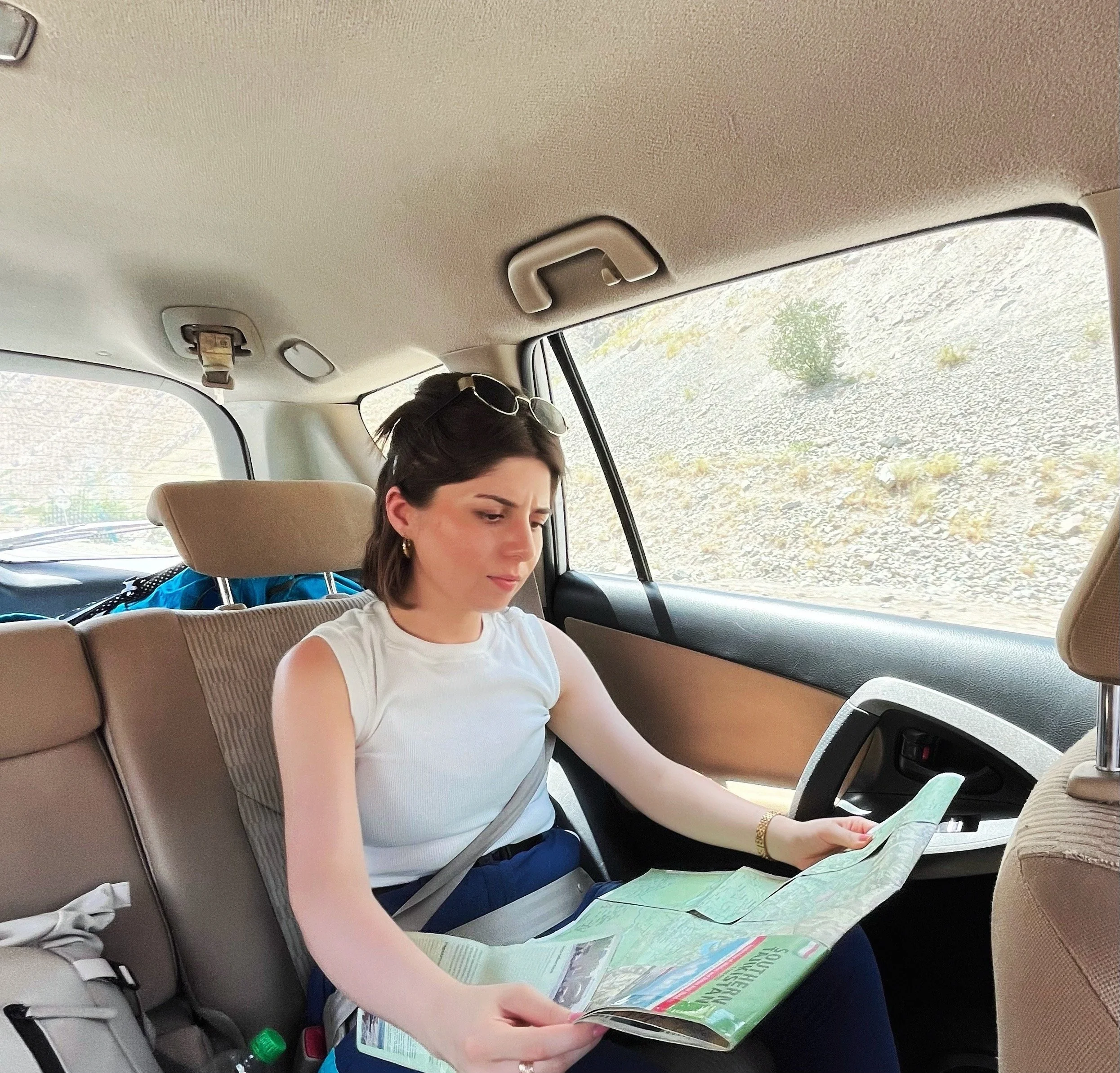
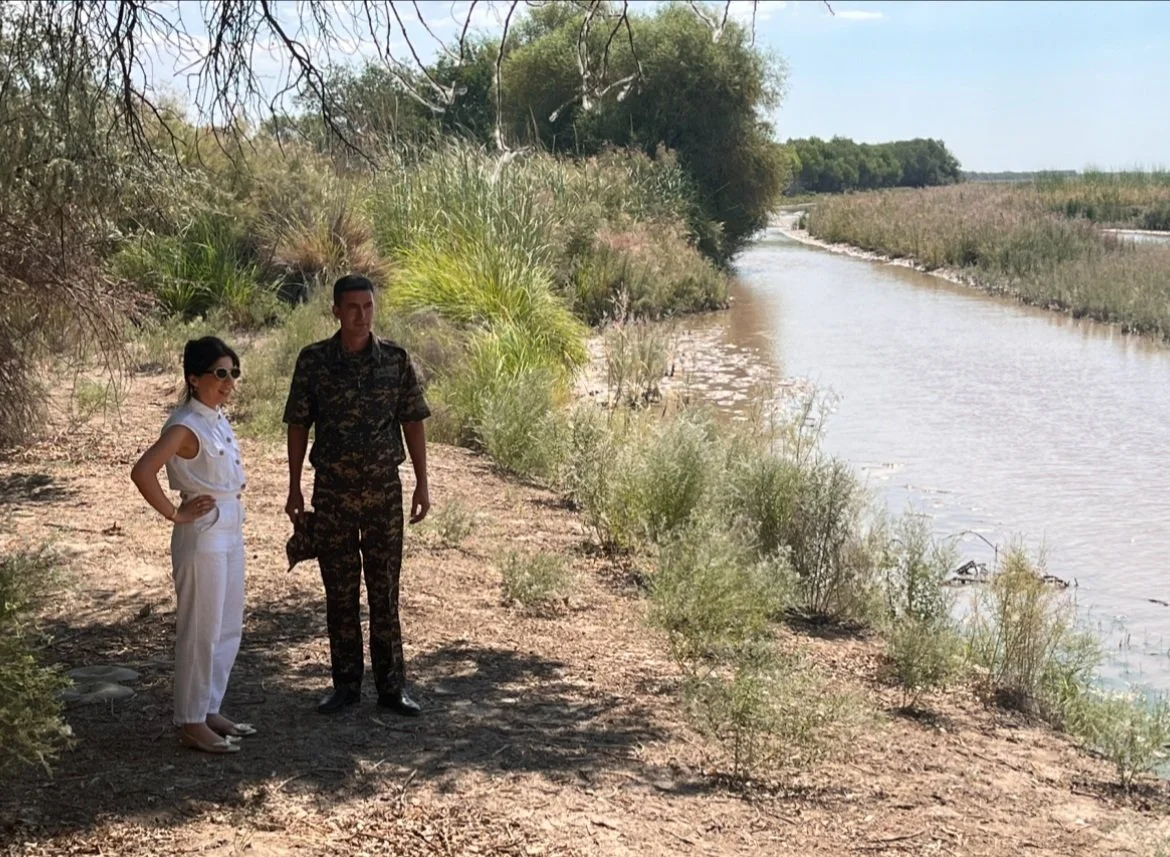
From August 2024 to January 2025, Sophia carried out on on the ground research on freight transport across Central Asia and India
-
![]()
Kazakhstan seaports, roads and railways
-
![]()
Tajikistan/Afghanistan. border connections
-
![]()
Tajikistan/Afghanistan - the road network
-
![]()
Tajikistan's Railway Network
-
![]()
Update on my research journey from Uzbekistan
-
![]()
Uzbekistan: Nukus-Beynou railway line
-
![]()
India railways, seaports, and roads